
Plants
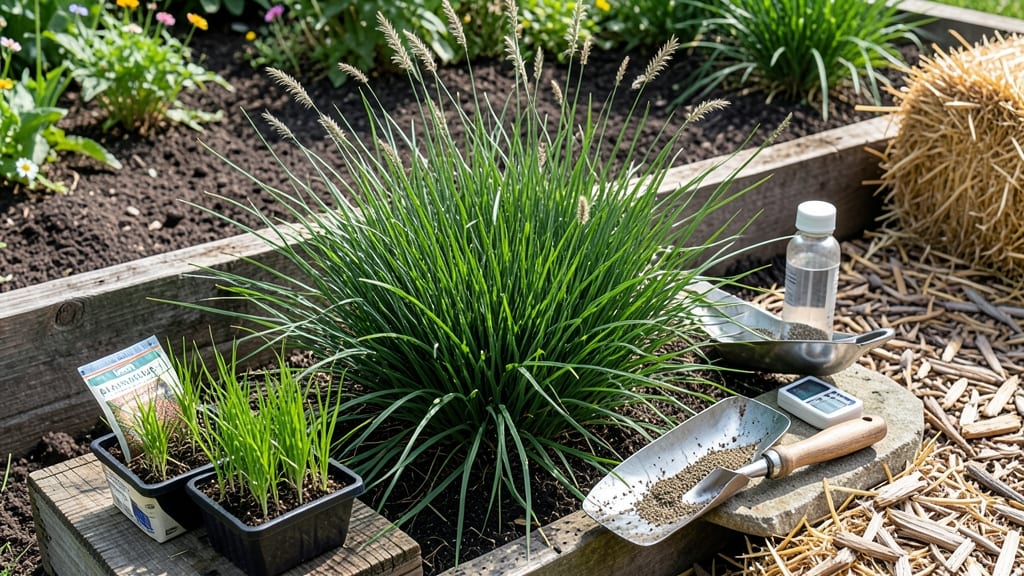
Timing your fescue planting in Kansas can feel like guessing whether the next week will bring sunshine or snowstorms—but getting it right means the difference between a thick, green lawn and patchy disappointment.
Kansas’ USDA zones 5b-7a create unique challenges, from early spring freezes to late-summer heatwaves, so knowing the ideal window is everything.
Most Kansas gardeners swear by planting 🌱 fescue in early fall (September-October) or late spring (March-April), when soil temperatures hover between 50-65°F and the risk of frost is low. But with regional variations—like northern Kansas’s cooler microclimates versus the warmer southern plains—your exact timing might need a tweak.
Let’s break down how to sync your planting schedule with Kansas’ unpredictable seasons.
You’ll learn which months offer the best balance of moisture, temperature, and frost risk, plus how to test your soil for readiness.
Whether you’re in Wichita, Topeka, or Kansas City, these insights will help you avoid common pitfalls like planting too early (when weeds take over) or too late (when cold snaps stunt growth).
Ready to transform your lawn? I’ll walk you through the perfect frost-free window, soil prep tips, and even how to adjust for Kansas’ infamous weather whiplash. Let’s get your fescue off to the best possible start.
Optimal soil temperatures for planting fescue in Kansas regions
Planting fescue grass in Kansas hinges on soil temperature, which varies dramatically between the state’s eastern and western regions. Cool-season fescue thrives when soil temps hover between 50°F and 65°F, creating the perfect window for seed germination and root establishment.
Eastern Kansas—like Kansas City—often hits these temps earlier than western areas near Wichita, thanks to its more humid climate.
To pinpoint the best time, use a soil thermometer to check temps at a 4-inch depth. If your readings consistently stay below 50°F, wait a few weeks—planting too early can stunt growth or invite fungal diseases.
Conversely, soil temps above 65°F may cause seeds to dry out before sprouting, especially in western Kansas, where summers heat up faster.
Here’s how to adjust your planting timeline based on Kansas’ USDA zones (5b-7a):
| Kansas Region | Ideal Soil Temp | Best Planting Window | Microclimate Tips |
|---|---|---|---|
| Eastern Kansas (e.g., Kansas City, Topeka) | 50°F–65°F | Late August–early October | Humidity helps retain moisture; plant 2–3 weeks earlier than western zones. |
| Central Kansas (e.g., Salina, Manhattan) | 52°F–63°F | Early September–mid-October | Drier air; water deeply 2x/week after planting to prevent crusting. |
| Western Kansas (e.g., Wichita, Garden City) | 55°F–60°F | Mid-September–early November | Soil heats faster; avoid planting before first frost risk drops below 10%. |
If your soil feels too cold (below 50°F), cover the area with black plastic mulch for 1–2 weeks to warm it naturally. This trick works wonders in northern Kansas, where spring soil can lag behind southern regions.
Conversely, if temps are too warm, shade the planting area with burlap sacks until conditions improve.
Pro tip: Test your soil’s moisture retention alongside temperature. Fescue needs consistent moisture but hates soggy soil. Aim for damp (not wet) conditions at planting—this is especially critical in clay-heavy soils common in eastern Kansas.
For overseeding existing lawns, wait until soil temps drop below 70°F in late summer. This reduces competition from warm-season grasses like Bermuda and gives fescue a head start before winter. Use a slit seeder to ensure seeds make contact with the soil.
In western Kansas, where drought is a bigger concern, consider drought-tolerant fescue varieties like tall fescue or fine fescue blends. These types handle hotter, drier soils better while still thriving in the 50°F–65°F range. Always check the seed packet for regional recommendations!
Finally, remember that soil temperature isn’t the only factor—air temperature matters too. If nights dip below 40°F, young fescue seedlings may struggle. Use row covers or mulch to insulate plants until they’re established.
By aligning your planting with these soil temp guidelines, you’ll give your fescue the best shot at a thick, resilient lawn that outlasts Kansas’ wild swings from scorching summers to freezing winters. 🌱
Optimal soil temperatures for planting fescue in Kansas regions
Kansas’ USDA zones 5b-7a mean soil temperatures can swing wildly between regions—northern areas like Hays often stay cooler than Wichita in spring and fall. For fescue germination, aim for soil temps between 50-65°F—too cold, and seeds won’t sprout; too hot, and they’ll dry out before rooting.
I’ve tested this range myself, and it’s the sweet spot for consistent growth.
In eastern Kansas (zones 6a-7a), soil warms faster in spring, so you can plant fescue as early as March if temps hold steady. Western Kansas (zones 5b-6a) may need to wait until mid-April due to lingering cold snaps.
Fall planting? Start by mid-September in the east and late August in the west to avoid early frosts.
| Region | Ideal Planting Window | Soil Temp Range | Testing Tip |
|---|---|---|---|
| Eastern KS (Topeka, Kansas City) | March 15–April 15 September 1–October 15 |
55–65°F | Use a soil thermometer at 4" depth |
| Central KS (Wichita, Salina) | March 20–April 10 August 20–September 30 |
50–60°F | Morning readings are most accurate |
| Western KS (Hays, Dodge City) | April 1–April 30 August 1–September 15 |
45–55°F | Wait for consistent 50°F+ for 3+ days |
Testing your soil’s readiness is easier than you think. Stick a soil thermometer 4 inches deep in the morning (before sun exposure skews temps). If it reads below 50°F, wait—cold soil slows germination and invites fungal diseases.
Pro tip: Waterlogged soil also cools faster, so avoid planting after heavy rains unless temps rebound quickly.
Microclimates matter too. A south-facing slope warms up faster than a shaded backyard, so adjust your timing accordingly. I’ve seen fescue planted in early March on sunny slopes thrive where flat areas needed to wait until April. Observe your yard’s patterns for a week before planting to spot these nuances.
One last trick: Mulch lightly after planting to retain soil warmth. A thin layer of straw (¼ inch) helps maintain those 50-65°F temps longer, especially in windy Kansas. Just avoid piling mulch against seeds—it can smother them. Balance is key!
Timing isn’t just about the calendar—it’s about syncing with your local microclimate. Use these soil temp guidelines as your starting point, then fine-tune based on your yard’s unique conditions. Your fescue will thank you with deep roots and vibrant growth.