
Companion Plants
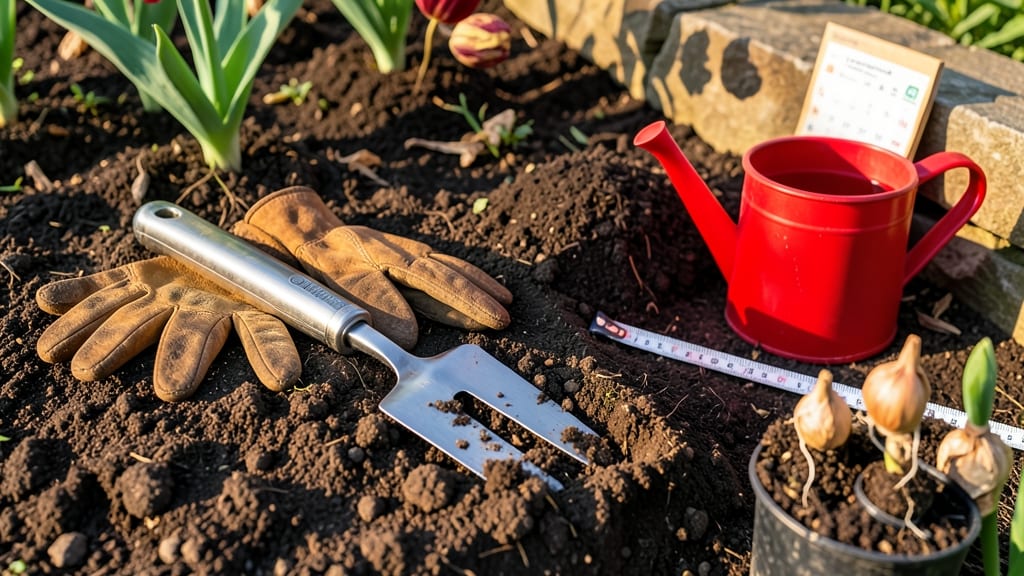
There’s nothing worse than rushing to plant your potted tulips 🌷 in the ground only to watch frost turn your hard work into sad, mushy stems. The key to success?
Timing it right—whether you’re in USDA Zone 6a or beyond—and knowing when your soil is finally ready to welcome those bulbs without risking damage.
Most gardeners swear by fall planting, but if you’re starting with potted tulips, your window shifts slightly. You’ll want to act 4-6 weeks before the first frost, giving roots time to establish before winter sets in.
But what if you missed that boat? Don’t panic—spring planting is still an option, as long as you wait until the soil warms up to at least 50°F.
In this guide, I’ll walk you through the exact steps to check your soil’s readiness, adjust for your local climate, and avoid the top 3 mistakes that kill tulips before they even bloom.
Whether you’re a first-time planter or a seasoned gardener, these tips will help you transition your potted beauties into the ground with confidence.
Ready to dig in? Let’s turn those containers into a stunning spring display—without the frost-related heartbreak.
How to check soil temperature for planting potted tulips safely
Planting potted tulips too early can shock their roots, while waiting too late may stunt their growth. The key to success is checking your soil temperature—tulips thrive when soil reaches a steady 50°F (10°C) or warmer.
This ensures they won’t suffer from sudden frost after transplanting. I’ll walk you through the exact steps to test your soil and avoid common mistakes.
First, grab a soil thermometer (available at garden centers for under $10). Insert the probe 6 inches deep—the same depth you’ll plant your tulip bulbs. Check the temperature at the same time each day (morning is ideal) for 3–5 consecutive days to account for daily fluctuations.
If the average hovers around 50°F (10°C), your soil is ready.
Pro tip: Use a frost-free window calculator (like the National Weather Service’s frost maps) to cross-check your local last-frost date. Tulips need 4–6 weeks to establish roots before frost returns.
For example, if your last frost is April 15, aim to plant by March 1 to give them time to root.
If your soil is still too cold, don’t rush—tulips can wait! Store potted bulbs in a cool, dark place (like a garage) and check soil temps weekly. Rushing into cold soil can lead to rot or weak growth, so patience pays off.
⚠️ Visual Guide: Step-by-Step Soil Temperature Check ⚠️
✅ Step-by-Step: Testing Soil for Tulips
- Step 1: Purchase a soil thermometer (or use a meat thermometer).
- Step 2: Insert probe 6 inches deep in your garden bed.
- Step 3: Record temps at 10 AM daily for 3–5 days.
- Step 4: Aim for an average of 50°F+ before planting.
- Step 5: Cross-check with your local frost date (allow 4–6 weeks buffer).
Another trick? Use a planting calendar tailored to your USDA hardiness zone. For instance, Zone 5 gardens (like mine!) should plant by mid-October, while Zone 8 can wait until November. Always dig a small hole to test—if the soil feels cool to the touch, delay planting.
For container-grown tulips, focus on root health over soil temp. If roots are crowded or circling the pot, they’re ready to go in the ground—regardless of soil warmth. Just ensure the ground isn’t frozen or waterlogged.
Finally, avoid planting tulips after mid-spring (March–April). Late transplants often bolt to flower immediately or produce weak stems. The ideal window is fall (September–October) for most climates, but spring planting works in Zones 7–10 if soil warms early.
🌱 Remember: Tulips need cold stratification (a period of chill) to bloom well. If you’re in a warm climate (Zone 9+), plant in late fall to mimic winter conditions.
5 Signs your potted tulips are ready for ground planting (before checking the calendar)
If you’ve been watching your potted tulips 🌷 with bated breath, waiting for the perfect moment to plant them in the ground, don’t rely solely on the calendar. Instead, look for these 5 clear signs that your bulbs are ready to transition—regardless of the season.
These cues ensure your tulips have developed enough strength to survive transplanting and thrive in their new home.
First, check for green shoots emerging from the top of the bulb. This indicates the plant is actively growing and has broken dormancy. Next, examine the roots growing through drainage holes—if they’re thick and tangled, your tulips are desperate for more space and nutrients in the ground.
The third clue is leaf growth reaching 2-3 inches tall. Healthy foliage means the bulb has stored enough energy to support blooming. For fall planting, aim for leaves that are 4-6 inches tall before transplanting.
If you’re planting in spring, wait until leaves are 6-8 inches tall to ensure the bulb has fully recharged.
Fourth, look for buds forming at the base of the stems. This shows the plant is preparing to bloom and has enough energy to support flowering. Finally, if you’re planting in spring, confirm the soil temperature is consistently above 50°F—this prevents shock and encourages root growth.
Pro tip: Use a soil thermometer for accuracy, especially in unpredictable climates.
Once you spot these signs, act quickly! Tulips planted when they’re too small struggle to establish roots, while waiting too long risks overcrowding in containers. For fall planting, aim to transplant within 2 weeks of seeing these cues.
In spring, plant as soon as the soil warms and buds appear.
Remember, potted tulips need time to adjust after transplanting. Water them deeply after planting and avoid fertilizing for 6 weeks to prevent root burn. With these signs as your guide, you’ll know exactly when to give your tulips the permanent home they deserve—just in time for a stunning spring display.